
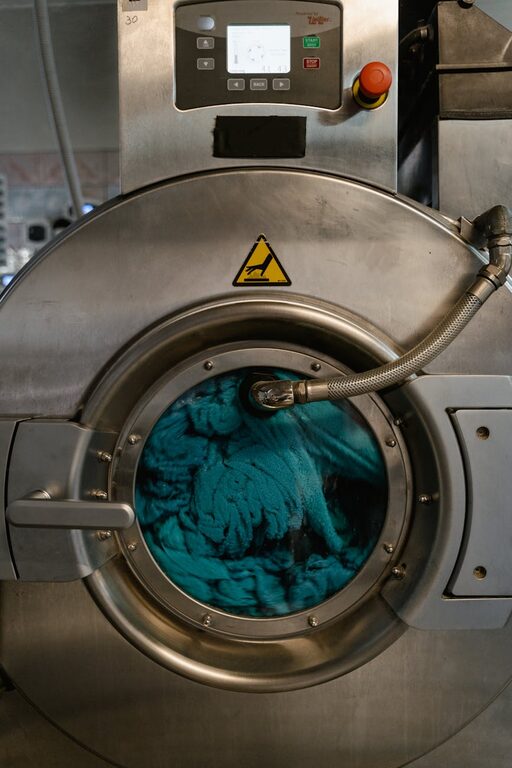
Caring for your clothes properly can make a big difference in how long they last and how good they look over time. Whether it’s your favorite shirt, a delicate dress, or everyday jeans, thoughtful care helps prevent damage and fading. This post shares practical tips to extend the life of your clothes, saving you money and keeping your wardrobe fresh.
Understanding Fabric Types
Before diving into care tips, it’s important to know what fabrics you have. Different materials require different handling:
– Cotton: Breathable and sturdy, but can shrink if washed in hot water.
– Wool: Warm and delicate; prone to shrinking and felting if washed improperly.
– Synthetic fabrics (polyester, nylon): Durable and quick-drying; avoid high heat.
– Silk: Luxurious but delicate; often best hand washed or dry cleaned.
Checking the garment’s care label is always a good place to start—these instructions are tailored for that specific fabric or clothing item.
Washing Tips to Protect Your Clothes
Use the Right Water Temperature
Washing clothes in cold water is usually gentle on fibers and helps prevent fading and shrinking. Reserve warm or hot water for heavily soiled items like towels or bedding.
Turn Clothes Inside Out
Turning items inside out before washing protects colors and printed designs from rubbing and fading.
Use Gentle Detergents
Harsh detergents can break down fibers over time. Opt for mild, fragrance-free detergents or those designed for delicate fabrics.
Don’t Overload the Washer
Clothes need room to move around in the wash for proper cleaning. Overloading can cause friction and damage, as well as poor washing results.
Choose Gentle Cycles
For delicate or lightly soiled clothes, use a gentle or hand wash cycle to reduce wear and tear.
Drying Strategies That Prevent Damage
Air Dry When Possible
High heat from dryers can shrink, weaken, or fade fabrics. Hanging clothes to dry preserves their shape and color. Use padded hangers or drying racks to avoid stretching.
Avoid Direct Sunlight
While air drying is great, direct sunlight can cause colors to fade. Instead, dry items in the shade or indoors near a window.
Use Low Heat for Machine Drying
If machine drying is necessary, select a low or medium heat setting and remove clothes promptly to reduce wrinkles.
Dry Towels and Heavy Fabrics Separately
Heavy items like towels need plenty of space in the dryer to dry effectively and shouldn’t be mixed with lightweight garments.
Proper Storage to Maintain Shape and Quality
Fold Knitwear and Sweaters
Hanging knitwear can cause it to stretch out. Folding these items helps maintain their shape.
Use Suitable Hangers
For shirts, blouses, and dresses, use hangers with rounded edges to prevent shoulder bumps.
Keep Clothes Clean Before Storing
Dirt, sweat, and oils can attract pests or cause fabric deterioration. Always clean clothes before putting them away for long periods.
Store Seasonal Items Carefully
Consider vacuum-sealed bags or breathable storage containers for off-season clothing to protect them from dust and moisture.
Simple Daily Practices for Clothing Care
Spot Clean Stains Immediately
The sooner you treat a stain, the easier it is to remove. Use a gentle stain remover or a bit of detergent diluted in water.
Avoid Wearing the Same Item Daily
Giving clothes a break between wears can reduce wear and extend their life. It also allows fabrics to air out.
Pay Attention to Pockets and Zippers
Empty pockets before washing and zip up zippers or close buttons to prevent snags.
Keep Nails and Jewelry Smooth
Rough nails and sharp jewelry can cause pulls or tears; being mindful helps protect your garments.
When to Consider Professional Care
Some fabrics like silk, wool, or embellished garments may require professional dry cleaning. Always read care labels and consult a cleaner for items you’re unsure about. Remember to inform the cleaner about any stains or special fabric properties.
Final Thoughts
With a little care and attention, you can keep your clothes looking newer and fresh for longer. Understanding fabric needs, washing smartly, drying gently, and storing thoughtfully all contribute to clothing longevity. These tips not only preserve your wardrobe but also support more sustainable consumer habits by reducing waste.
Try incorporating these habits into your routine and enjoy the benefits of a well-maintained closet!