
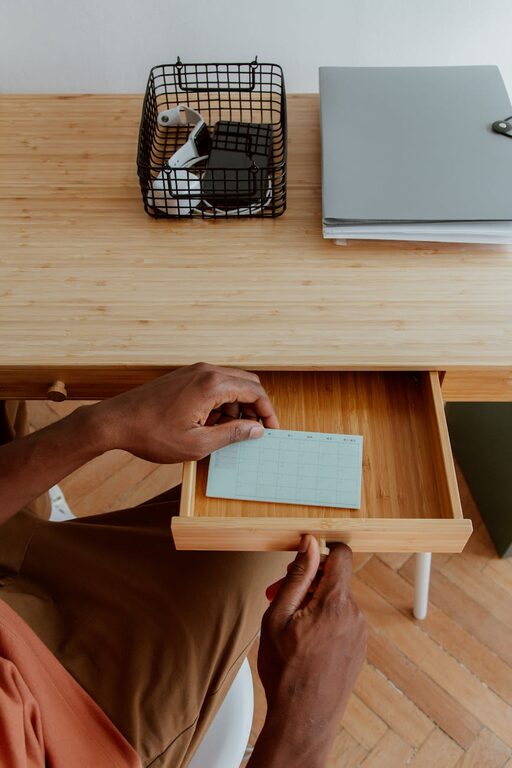
Managing household paper clutter can feel overwhelming, but with a few simple strategies, you can create a more organized and peaceful living space. Paper accumulates quickly—from mail and receipts to school paperwork and bills—but you don’t have to let it take over your home. This blog post offers practical tips that anyone can follow to reduce paper clutter and keep things under control.
Why Paper Clutter Happens
Paper clutter builds up in most homes because it’s easy to accumulate and hard to sort through regularly. Common sources include:
– Mail and catalogs
– Bills and receipts
– School assignments and artwork
– Manuals and warranties
– Newspapers and magazines
Without a system for handling these items as they come in, piles grow and stressful messes form. The good news is that reducing paper clutter isn’t about rushing to throw everything away — it’s about creating manageable habits and better organization.
Step 1: Sort and Purge Regularly
Before setting up a system, start by sorting through your existing paper piles.
Tips for sorting:
– Create categories: Group papers into categories like “To File,” “To Act On,” “To Recycle,” and “Sentimental.”
– Use a timer: Spend 15-30 minutes per session tackling paper; this prevents burnout.
– Purge confidently: Recycle old bills, junk mail, and outdated documents you no longer need.
– Be mindful: Keep only papers that require action, important records, or meaningful keepsakes.
Regular purging helps prevent buildup and makes your organization system easier.
Step 2: Go Paperless When Possible
One of the most effective ways to cut paper clutter is to reduce incoming paper.
How to do this:
– Switch bills and statements to online: Many companies offer e-billing and electronic statements. Signing up can eliminate mail clutter.
– Opt out of junk mail: Register with services like the Direct Marketing Association to reduce unsolicited mail.
– Subscribe digitally: Choose digital subscriptions for magazines, newspapers, and newsletters.
– Use electronic receipts: When shopping, ask if digital receipts are available.
Going paperless not only reduces clutter but also makes it easier to find documents when you need them.
Step 3: Create a Simple Filing System
When you do have important papers, a clear filing system is essential.
Filing tips:
– Use labeled folders or binders: Keep categories like “Bills,” “Medical Records,” “Taxes,” and “Warranties” separately.
– Keep it accessible: Store files where you can quickly reach them, not buried in a drawer.
– File weekly: Set aside time once a week to put papers in their place.
– Use a “To Do” tray: For papers requiring action, use a tray or inbox that you check often.
A simple filing system reduces time spent searching for papers and helps maintain order.
Step 4: Digitize Important Documents
Digitizing important papers can save space and make retrieval easier.
Suggestions for digitization:
– Scan important papers: Use a scanner or mobile scanning apps to save files digitally.
– Organize digital folders: Label files clearly and back them up on cloud storage or external drives.
– Secure sensitive documents: Use password protection or encryption when storing sensitive personal data.
– Shred physical copies if appropriate: Once digitized, shred papers you no longer need to keep physically.
Digitizing also prepares you for emergencies like fire or floods, where physical papers might be lost.
Step 5: Establish Clear Paper Habits
Consistency is key to prevent clutter from returning.
Helpful habits include:
– Sort mail immediately: Open mail at a designated spot and separate junk from important information.
– Deal with papers promptly: Pay bills, file documents, or recycle unsolicited mail as soon as possible.
– Limit incoming paper: Educate household members about reducing paper use and encourage digital options.
– Review and purge regularly: Make decluttering a monthly or seasonal habit.
Creating these habits will keep paper under control without extra effort.
Step 6: Use Tools to Help Manage Paper
There are many tools designed to reduce and organize paper clutter.
Useful tools:
– Inboxes and trays: Sort incoming papers by priority.
– Filing cabinets or boxes: Keep files neat and compact.
– Label makers: Make labels clear and professional looking.
– Apps for organization: Apps like Evernote, Dropbox, or dedicated receipt scanners can help digitize and manage documents.
Choose tools that work well with your lifestyle and space.
Final Thoughts
Reducing household paper clutter may seem daunting, but by breaking it down into manageable steps, it becomes achievable. Start by sorting and purging what you already have, move toward going paperless, get organized with a filing system, and digitize essential documents. Most importantly, build habits that support a clutter-free lifestyle. With consistent effort, you can enjoy a tidier home and less stress from paper chaos.