
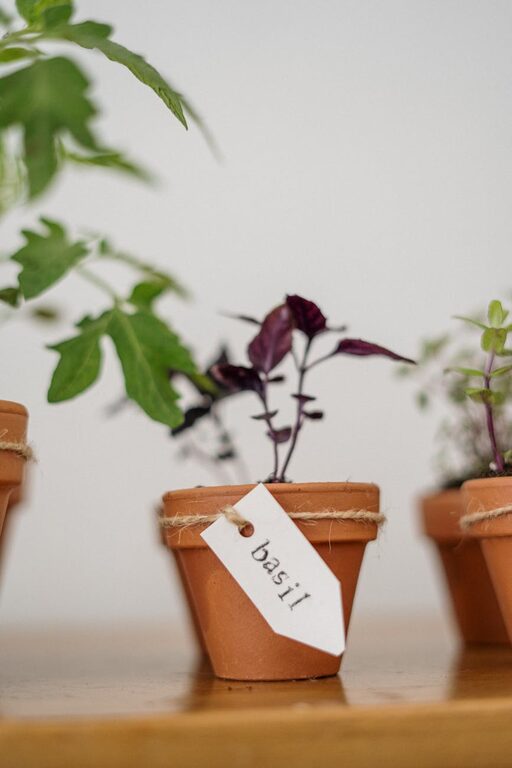
Starting an indoor herb garden is a rewarding and practical way to bring fresh flavors into your kitchen all year round. Whether you have limited outdoor space or simply want easy access to fresh herbs, growing them indoors can be simple and enjoyable. In this guide, we’ll walk you through everything you need to know to start your own small herb garden indoors, with tips on choosing plants, setting up, and caring for your herbs.
Why Grow Herbs Indoors?
Indoor herb gardens offer many benefits:
– Fresh flavor anytime: Pick herbs straight from your kitchen to enhance any meal.
– Space-saving: Ideal for apartments or homes without a garden.
– Improves air quality: Many herbs help purify indoor air.
– Decorative and fragrant: They add a splash of green and pleasant aromas to your living space.
– Cost-effective: Growing your own herbs is often cheaper than buying fresh ones regularly.
Choosing the Right Herbs for Indoor Growing
Not all herbs thrive inside, but many common culinary herbs do well with basic care. Start with easy-to-grow varieties such as:
– Basil
– Parsley
– Mint
– Chives
– Thyme
– Oregano
– Cilantro
– Rosemary
Make sure to choose herbs you use frequently in cooking, as you’ll enjoy the convenience most.
What You’ll Need to Start Your Indoor Herb Garden
Before planting, gather these essentials:
– Containers: Pots with drainage holes to prevent waterlogging. You can use individual pots or a window box.
– Potting soil: Choose a well-draining soil mix, ideally formulated for indoor plants.
– Seeds or seedlings: Opt for organic seeds or starter plants from a local nursery.
– Watering can or spray bottle
– A sunny spot: Most herbs require 6-8 hours of sunlight daily.
– Optional grow lights: If natural light is limited, LED grow lights can help.
Step-by-Step Guide to Setting Up Your Indoor Herb Garden
1. Select a Location
Choose a spot that receives plenty of sunlight, such as a south-facing windowsill. If natural light is scarce, consider placing your herbs near a north-facing window supplemented with artificial grow lights.
2. Prepare Containers and Soil
Fill your pots with fresh potting soil. Avoid using garden soil, which may not drain well indoors. Confirm your containers have drainage holes to prevent root rot.
3. Plant Seeds or Transplants
– Seeds: Follow the instructions on the packet for depth and spacing. Lightly cover with soil and mist to keep moist.
– Seedlings: Gently remove from their original containers and plant them at the same soil depth in your pots.
4. Water Wisely
Keep the soil moist but not soaked. Herbs generally prefer slightly dry conditions between watering. Check soil moisture regularly by sticking your finger an inch deep into the soil.
5. Provide Adequate Light
Place your herbs where they get ample sunlight daily. Rotate pots occasionally if plants start leaning toward the light source to encourage even growth.
6. Fertilize Occasionally
Use a balanced, water-soluble fertilizer formulated for herbs every 4-6 weeks during the growing season. Too much fertilizer can alter herb flavors, so use sparingly.
Tips for Maintaining Your Indoor Herb Garden
– Monitor humidity: Indoor air can be dry, especially in winter. Mist herbs or place a small humidifier nearby to prevent dryness.
– Harvest regularly: Picking leaves promotes bushier growth. Harvest in the morning for the best flavor.
– Watch for pests: Indoor herbs can attract pests like aphids or spider mites. Use natural remedies such as neem oil if needed.
– Prune dead leaves: Remove yellow or wilted leaves promptly to keep plants healthy.
Troubleshooting Common Problems
| Problem | Possible Cause | Solution |
|—————————-|—————————-|——————————————-|
| Leggy plants | Not enough light | Move plants to a brighter spot or add grow lights |
| Yellowing leaves | Overwatering or poor drainage | Reduce watering and ensure pots drain well |
| Wilting leaves | Underwatering | Increase watering frequency |
| Poor flavor | Over-fertilizing | Cut back on fertilizer usage |
Herbs You Can Use Directly from Your Indoor Garden
Once your herbs are established, you can start using them fresh in many dishes:
– Basil for pesto, salads, and pasta
– Parsley to garnish soups and stews
– Mint for tea, desserts, and cocktails
– Chives for eggs and baked potatoes
– Thyme and oregano for roasted vegetables and sauces
Final Thoughts
Starting a small indoor herb garden is an easy and enjoyable way to bring fresh, flavorful herbs into your home year-round. With the right setup and a little care, your herbs will thrive and become a rewarding part of your kitchen routine. Happy gardening!
—
Feel free to share your indoor herb gardening experiences or ask questions in the comments!