
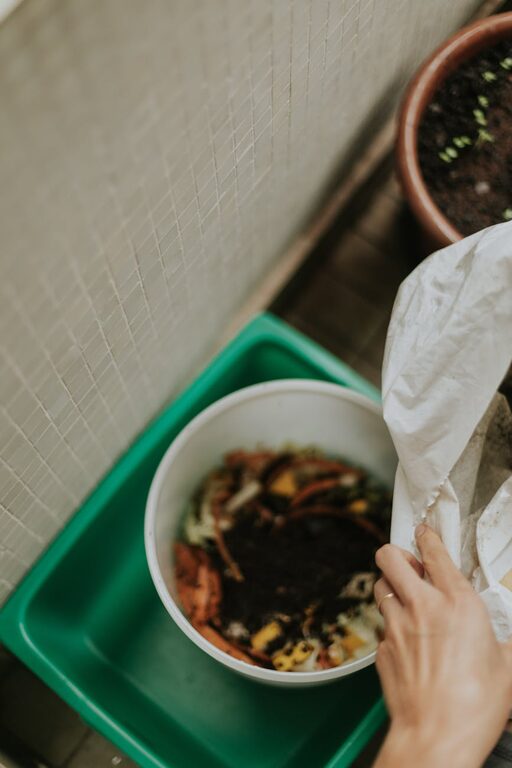
Composting at home is a great way to reduce waste, enrich your garden soil, and contribute to a healthier environment. If you’re new to composting, it might seem a bit confusing at first, but with some basic guidelines, you can start your own compost pile or bin with confidence. In this post, we’ll walk you through beginner-friendly tips to help you get composting successfully at home.
What is Composting?
Composting is the natural process of recycling organic materials like food scraps and yard waste into a rich soil amendment called compost. Compost enriches soil, helps retain moisture, and provides essential nutrients to plants, all while reducing the amount of waste sent to landfills.
Why Start Composting at Home?
– Reduce Waste: About 30% of household trash is compostable organic material.
– Save Money: Homemade compost reduces the need for chemical fertilizers.
– Improve Soil Health: Compost boosts soil fertility and encourages beneficial microbes.
– Help the Environment: Composting lowers methane emissions from landfills.
Getting Started: Choose Your Composting Method
Before you begin, decide how you want to compost based on your available space and time.
1. Compost Bin or Pile
– Compost Bin: Ideal for small yards or patios; keeps compost contained and reduces pests.
– Compost Pile: Suitable for larger yards; simply create a heap in a designated spot.
2. Worm Composting (Vermicomposting)
– Uses worms to break down food scraps indoors.
– Great for apartments or small spaces.
– Produces nutrient-rich worm castings, excellent for plants.
What Materials Can You Compost?
Successful composting relies on a balance of two types of materials:
Brown Materials (Carbon-rich)
– Dry leaves
– Straw or hay
– Cardboard and paper (shredded)
– Wood chips
– Pine needles
Green Materials (Nitrogen-rich)
– Fruit and vegetable scraps
– Coffee grounds and tea bags
– Grass clippings
– Fresh plant trimmings
Avoid composting meat, dairy, oils, and pet waste as they can attract pests and cause odors.
Tips for Building a Healthy Compost
1. Maintain the Right Balance
Aim for a roughly 2:1 ratio of brown materials to green materials. Too many greens can create a smelly pile; too many browns slow down decomposition.
2. Chop or Shred Materials
Cutting scraps into smaller pieces speeds up the composting process by increasing surface area for microbes.
3. Keep It Moist
Compost should be about as damp as a wrung-out sponge. Water your pile if it’s dry, or add more brown materials if it’s too wet.
4. Turn the Pile
Aerate your compost by mixing it every 1-2 weeks. This introduces oxygen that helps beneficial organisms break down the materials.
5. Be Patient
Composting can take anywhere from a few weeks to several months, depending on conditions. Finished compost looks dark, crumbly, and earthy.
Common Composting Challenges and Solutions
| Challenge | Solution |
|———————|——————————————-|
| Bad odor | Add more brown materials, turn the pile |
| Pests (rats, flies) | Use a closed bin, avoid meat/dairy scraps |
| Slow decomposition | Chop materials, keep moisture balanced |
| Compost too dry | Water the pile regularly |
| Compost too wet | Mix in more browns, turn to aerate |
Using Your Finished Compost
When your compost is ready, you can:
– Mix it into garden beds to improve soil structure.
– Use as mulch around plants to retain moisture.
– Add to potting mix for container gardening.
– Top dress your lawn to boost grass health.
Final Thoughts
Starting composting at home is a rewarding way to turn your kitchen and garden waste into a valuable resource. By following these beginner tips—choosing the right method, balancing materials, managing moisture, and being patient—you’ll create rich compost that benefits your plants and the planet.
Don’t worry about getting everything perfect on your first try. Composting is a learning process, and every little bit helps. Happy composting!
—
If you enjoyed this guide, consider sharing your composting journey in the comments below or on social media!