
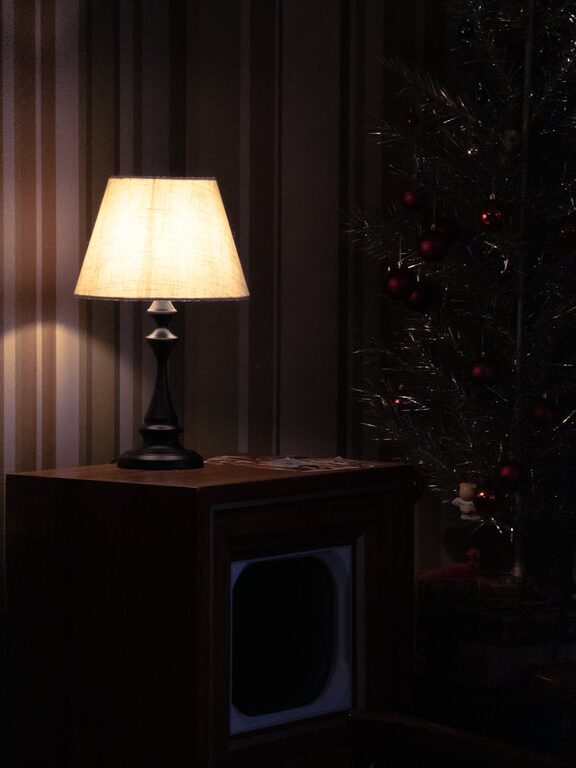
Creating a comfortable atmosphere at home starts with the right lighting. Whether you’re reading, cooking, relaxing, or working, well-chosen lighting can dramatically improve your comfort and the overall feel of your rooms. However, with so many lighting options available, it’s easy to feel overwhelmed.
In this post, we’ll explore practical tips to help you choose comfortable home lighting that suits your space, needs, and style.
Understand the Role of Lighting in Your Home
Lighting isn’t just about illumination; it affects mood, productivity, and how your home looks. There are three main types of home lighting you should know:
– Ambient Lighting: The general light that fills a room, providing overall illumination.
– Task Lighting: Focused light for specific activities, such as reading or cooking.
– Accent Lighting: Decorative lighting that highlights design elements or creates mood.
Balancing these three types creates layers of light, which is key to comfortable and functional lighting.
Assess the Natural Light in Your Space
Before choosing artificial lights, evaluate how much natural daylight each room receives. Natural light changes throughout the day and can influence how you use other light sources.
– Rooms with ample daylight may need softer ambient lighting to complement the sun.
– Spaces with limited natural light might require brighter, more layered artificial lighting.
Consider how window size, placement, and orientation affect your room’s light, and plan your fixtures accordingly.
Choose the Right Light Bulbs
Selecting the right bulbs is one of the most impactful steps toward comfortable lighting. Here are factors to consider:
Color Temperature
Measured in Kelvin (K), color temperature influences the warmth or coolness of light.
– Warm Light (2700K-3000K): Soft, cozy light ideal for living rooms and bedrooms.
– Neutral Light (3500K-4100K): Balanced light suitable for kitchens and bathrooms.
– Cool Light (5000K-6500K): Bright, daylight-like light for task areas like offices.
Brightness
Measured in lumens, brightness should match your room’s size and function. For instance, a living room may need 1,500-3,000 lumens overall, while a small reading nook requires less.
Energy Efficiency
LED bulbs are energy-efficient, long-lasting, and available in a wide range of brightness levels and colors. Choosing LED bulbs can reduce electricity bills while improving lighting quality.
Consider Lighting Fixtures That Fit Your Style and Function
Different types of fixtures contribute differently to comfort and style. Here are some common options:
– Ceiling Fixtures: Provide ambient light; choose flush-mount or chandeliers based on room size.
– Table and Floor Lamps: Offer task or accent lighting; perfect for reading corners or creating mood.
– Under-Cabinet Lighting: Great in kitchens for countertop illumination.
– Wall Sconces: Add decorative and functional light, useful in hallways or bathrooms.
Select fixtures that complement your décor while providing appropriate light distribution.
Use Dimmers to Control Brightness
Dimmers are excellent tools for adjusting light levels based on time of day and activity. They create flexible spaces where you can set the perfect ambiance, from bright and energizing to soft and relaxing.
When installing, ensure your bulbs and fixtures are compatible with dimmer switches.
Pay Attention to Lighting Placement
Where you place your lights can enhance comfort dramatically.
– Avoid placing lights directly overhead for long periods, as it may cause glare.
– Position task lighting close to where activities happen, like a desk or reading chair.
– Use accent lighting to highlight artwork, plants, or architectural details without overwhelming the space.
Proper placement reduces shadows and eye strain.
Think About Layered Lighting
Combining ambient, task, and accent lighting creates balance and versatility.
For example, a living room might include:
– A central ceiling light for general illumination.
– A floor lamp next to the sofa for reading.
– Wall sconces or LED strips to highlight shelves or artwork.
Layered lighting lets you adapt your space for different moods and activities.
Choose Lighting That Supports Well-being
Comfortable lighting doesn’t just look good—it also supports your health by minimizing eye strain and promoting good sleep cycles.
– Avoid harsh, flickering lights.
– Use warmer lights in the evening to encourage relaxation.
– Maximize exposure to natural light during the day.
Keeping these factors in mind helps promote overall well-being inside your home.
Final Thoughts
Choosing comfortable home lighting is about balance—selecting the right bulbs, fixtures, and placements while considering your lifestyle and room functions. With thoughtful lighting choices, you can transform your home into a warm, inviting, and efficient space.
Remember to start with natural light assessment, invest in quality bulbs, layer your lighting, and don’t hesitate to add dimmers for flexibility. These steps will help you create a home that feels bright and comfortable throughout the day and night.